Exit Risk, Not Extra Cost: A Mid-Build Recovery Protocol for UK Renovations
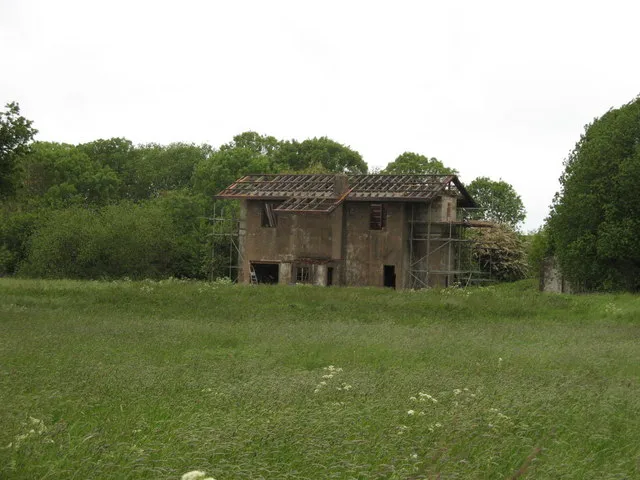
Photo: Paul Beaman, CC BY-SA 2.0, via Wikimedia Commons
A contractor exiting a UK renovation is not a rare event. It is a foreseeable project risk. Cost inflation, labour availability, overcommitted trades and thin margins can all turn a workable contract into an abandonment. The mistake most clients make is to treat the exit as a procurement inconvenience. It is an evidence, insurance and quality-control event. The recovery must be run in that order.
1. Freeze the evidence before the narrative
Before appointing anyone new, assemble the project record. That means the contract, schedules, drawings, specification, payment applications, valuations, invoices, variations, site diary, emails, photographs and meeting notes. Identify what has been paid, what has been certified, what is disputed and what remains outstanding. Do not rely on memory or on a verbal account from the departing contractor.
Payment evidence is central. In the UK, construction payment rules and contractual notices can determine what is due, what is not due and what has been waived. Take advice before making further payments or accepting a final account. A clear timeline of instructions and payments will be more useful than a folder of invoices with no context.
2. Secure the site, the work and the materials
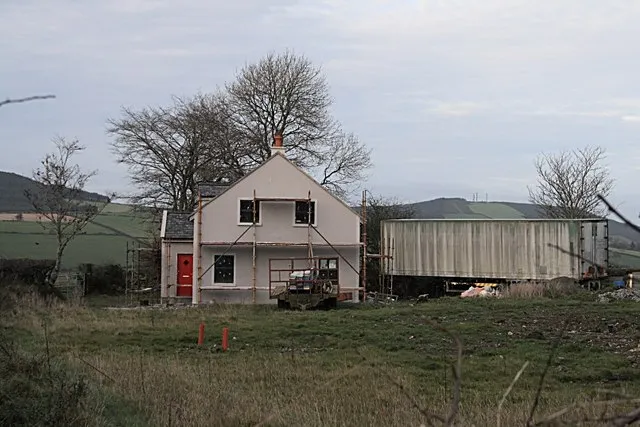
Change locks where appropriate, secure scaffolding, plant and materials, and record the condition of the works with dated photographs. Establish what belongs to the contractor, what belongs to the client and what has been paid for. Do not create a self-help dispute over equipment or materials without legal advice. The priority is to make the site safe and weathertight, not to win an argument at the gate.
Health and safety must be re-established immediately. Temporary works, open excavations, incomplete stairs and exposed services all need assessment. Notify Building Control and any warranty provider of the change in contractor and the current stage of work.
3. Notify insurers and warranty providers
Contact the insurer promptly. A contractor exit, theft, vandalism or an unoccupied site can affect cover. Check the policy for notification conditions and for any requirement to maintain security or heating. Notify the structural warranty provider if one is in place, and confirm what evidence it will require for the replacement contractor. Silence is not neutrality; it can prejudice a claim.
4. Quantify the gap with independent advice
Appoint an independent quantity surveyor or experienced project manager to measure work done against payments made. The exercise should identify defective work, incomplete work, remediation and the cost to complete. This becomes the baseline for re-tendering and for any claim against the exiting contractor.
Build quality should be assessed at the same time. Cover-up work, poor drainage falls, inadequate ventilation and incomplete fire-stopping are easier to remedy before the next trade starts. A recovery that simply instructs a new contractor to carry on from the last invoice is not a recovery; it is an escalation.
5. Re-tender from documents, not from memory
The replacement contractor should price a defined scope. Issue drawings, specification, photographs, the independent survey and a clear schedule of outstanding works. Invite at least two or three contractors to price the same package so that comparisons are meaningful. Check insurance, references, accreditation and capacity. The cheapest tender is often the one that has missed the most work.
Use a proper contract, even for a domestic renovation. Payment terms, retention, programme, defects liability and collateral warranties should be agreed in writing. If the original contract included a warranty requirement, the replacement appointment must preserve it.
6. Recover the programme without sacrificing quality
Programme recovery is not the same as acceleration. Identify the critical path, protect weathertightness and first-fix services, and allow realistic drying and inspection periods. Do not compress trades into the same space simply to recover lost weeks. That is how defects are created.
Introduce quality gates: inspection before cover-up, sign-off for key stages and retention against completion of snagging. An independent clerk of works or project manager can be proportionate on a complex renovation. The cost is usually lower than reopening finished work.
7. Fund and document the recovery
Update the cashflow and notify the lender if the project is funded. Keep a variation account and a clear audit trail for every recovery cost. Avoid informal payments made under pressure. If the original contractor is pursued, the recovery costs must be evidenced rather than estimated.
8. Close out and learn from the exit
At completion, collect warranties, O&M information and Building Regulations evidence. Review what the original appointment missed: was the contractor financially checked, was the payment schedule too loose, was the scope too vague? Exit risk is best managed at appointment, but it can still be controlled mid-build. For UK renovation clients in 2026, the objective is not simply to finish. It is to finish with the build quality intact and the evidence to prove it.